The inhabited house

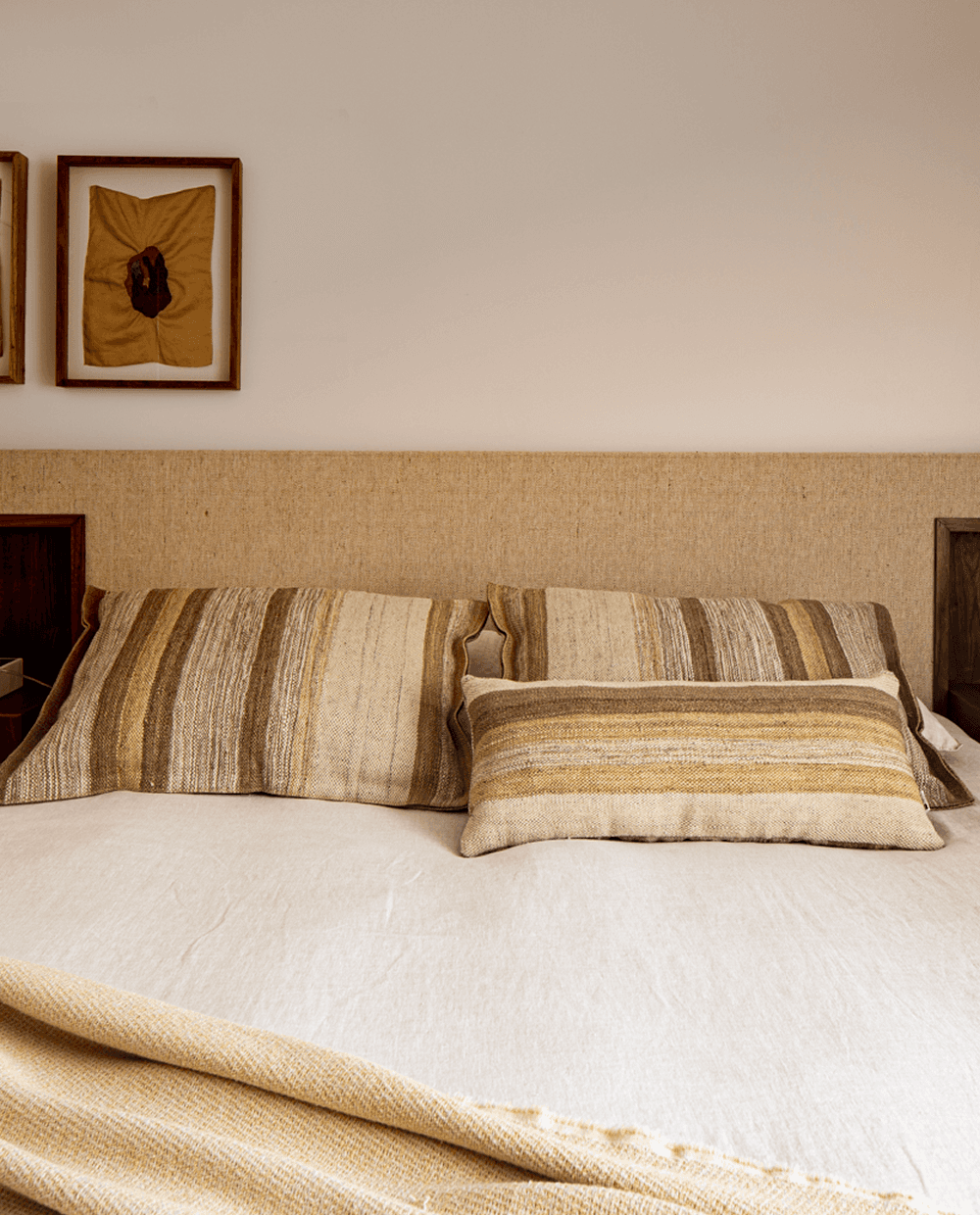
The signs of presence appear in an almost choreographic way, with a slightly displaced seat, a book left on the table, a lamp that warms a pause. They are subtle insertions that do not alter the architecture but highlight its vocation to accommodate different rhythms of the day. The design of the Sagitarius Residence does not seek to freeze an image - rather, it allows living to add texture, depth, and time.


The circulation spaces show this relationship with particular delicacy. There are pauses, rhythms, openings that invite the body to move without haste. Each environment suggests a possibility: to sit, to observe the light, to rest an object, to relax. When the house becomes inhabited, these gestures become part of the project itself. The architecture does not change; what changes is the thickness of the everyday life that inscribes itself upon it.


By accompanying this residence over time, what is perceived is an architecture that does not exhaust itself in delivery. It continues, grows, breathes. It maintains its precision while simultaneously gaining texture - whether tangible or not. The Sagittarius remains whole, but never static. It is a space that understands time not as a threat, but as continuity, and it is in this continuity that life finds a place to settle.