Where the
body
meets
space

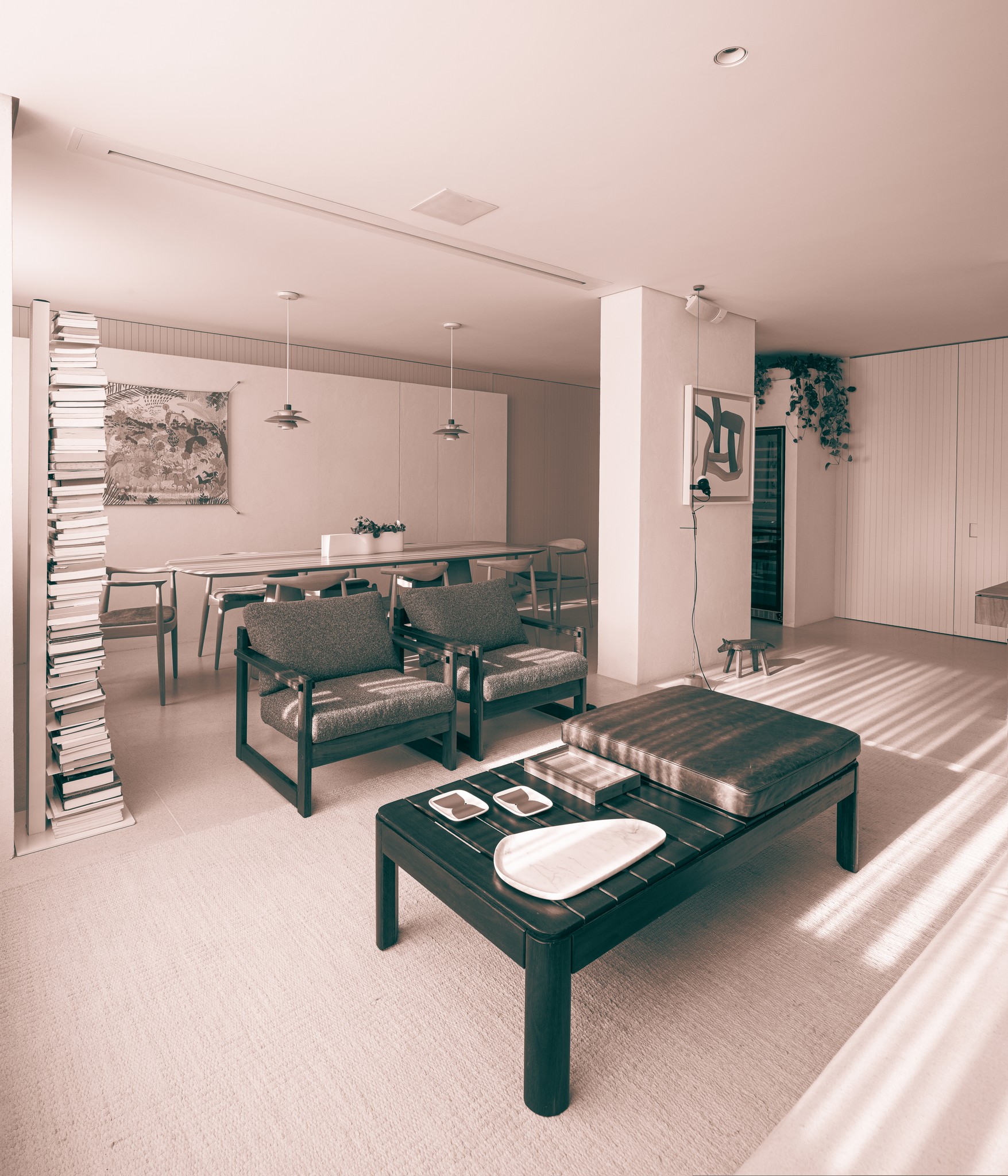
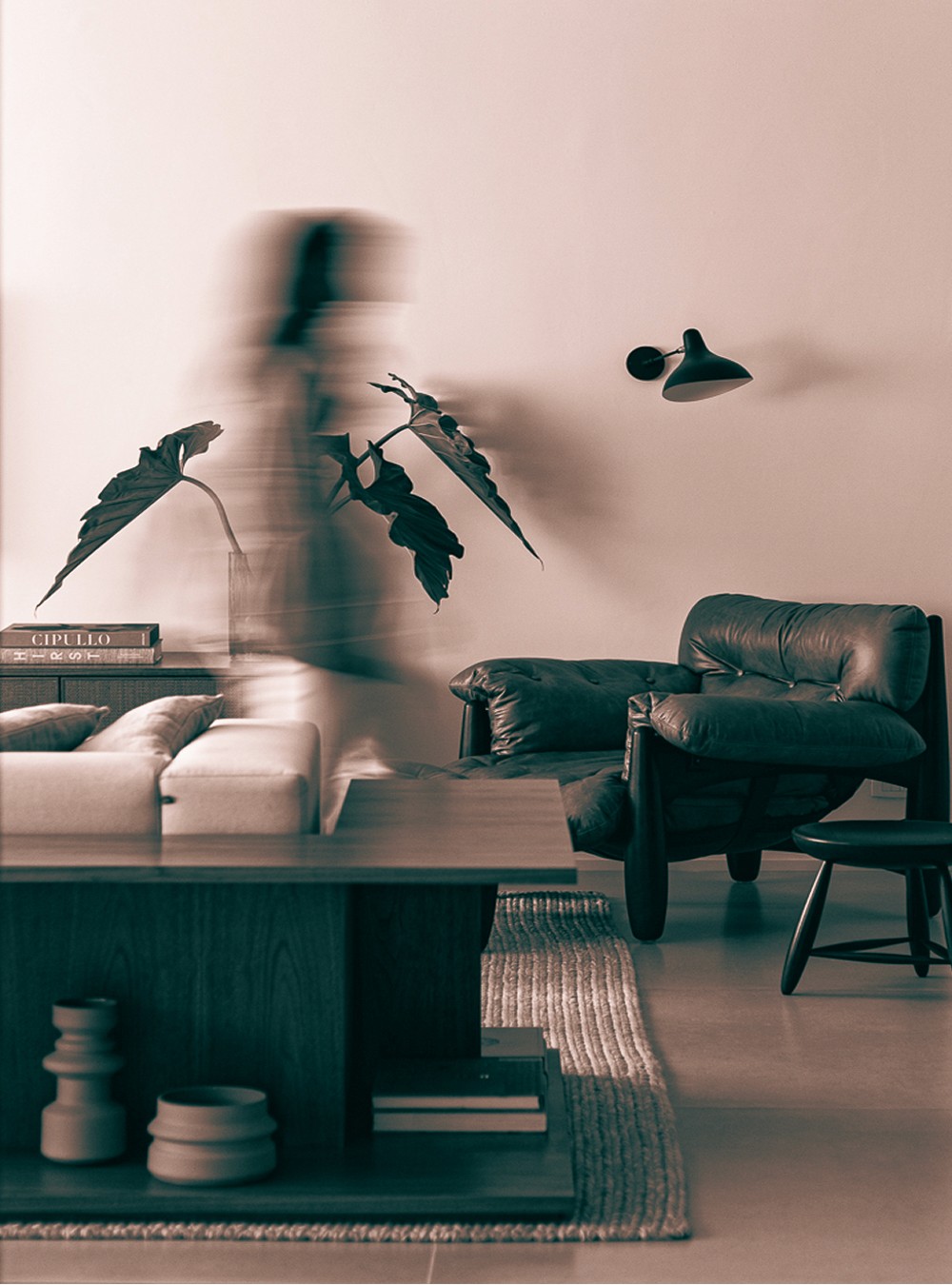
Some objects establish a direct relationship with the body and, from that point onwards, begin to organise the space around them.

The armchair is one of them.
Places of permanence are one of those elements.

Before any formal interpretation, it is defined by fit, support and permanence.

The intention behind a
project's identity

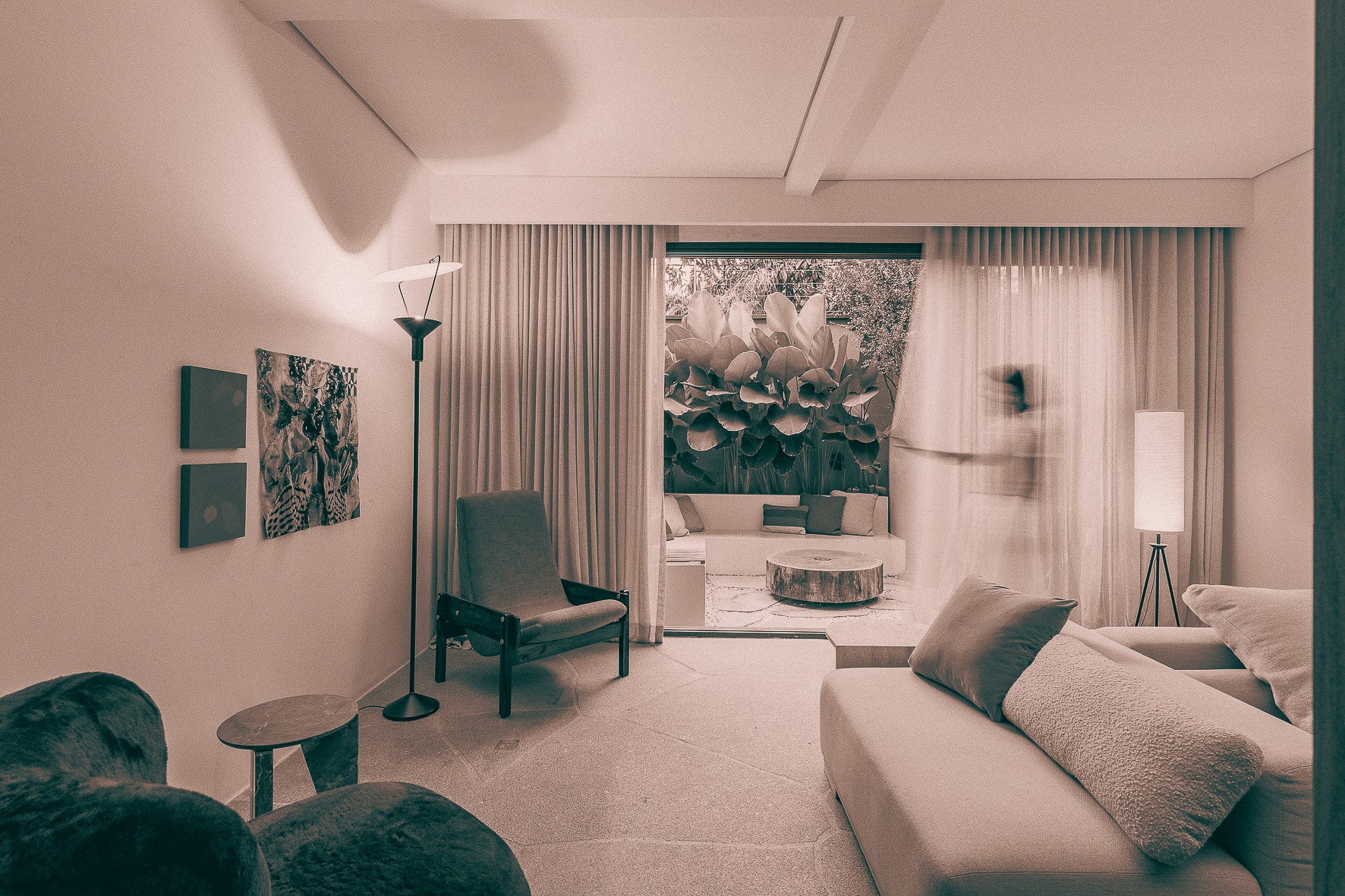
Before choosing the material, colour, or design, there is an invisible repertoire that guides the project: memories, habits, everyday rhythms, necessary silences, and tolerable excesses. Every resident carries their own way of occupying the world, and it is from here that architecture is founded.

the time
of decisions

Every beginning of the year carries choices. Some are evident, others almost imperceptible, but it is from these that the work is sustained.

In the erriá, decisions accumulate in the design that precedes the work, in testing a fit, in the choice of a material, in the way an object touches the body or how a space responds to use. These are decisions that do not seek immediate effect, but slowly build meaning, in the time of doing.

The time
of things

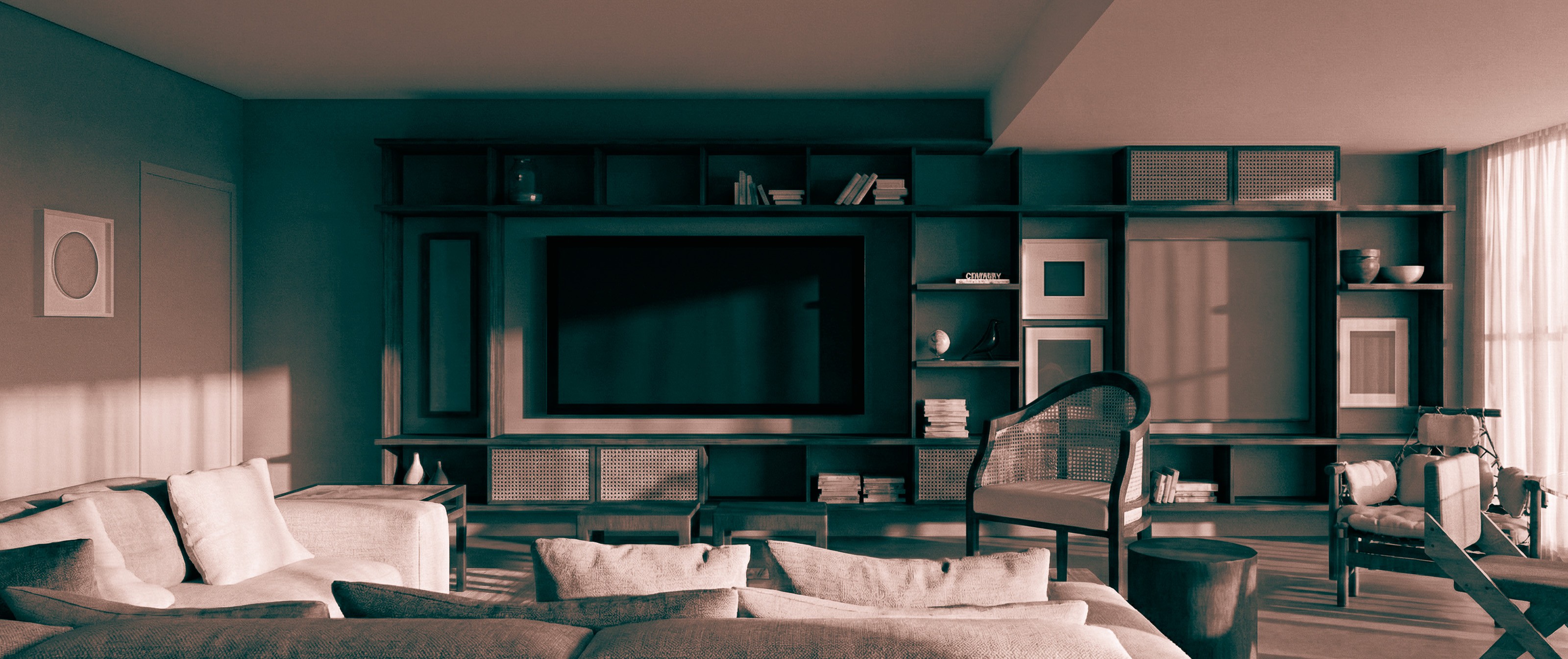
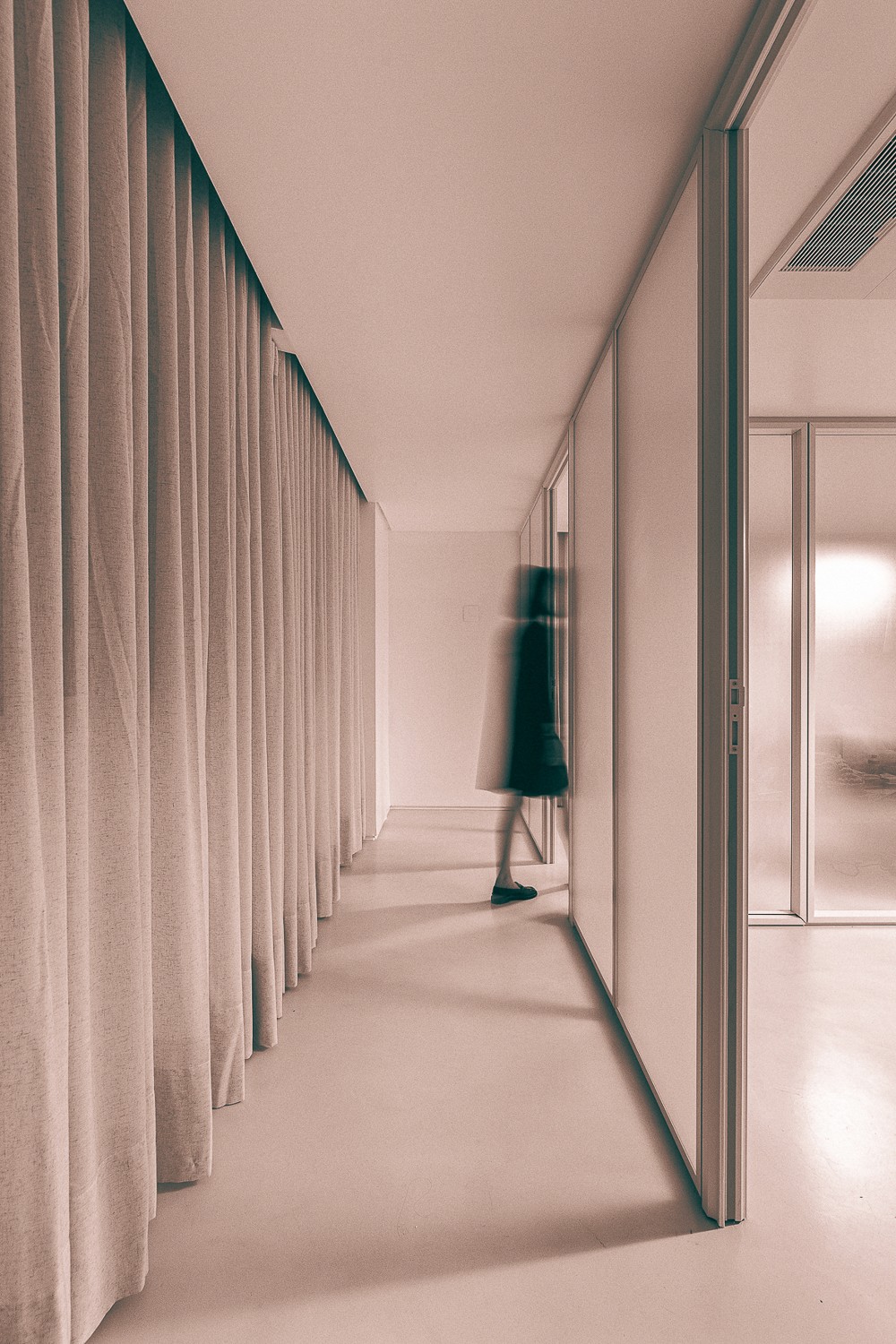
There is a type of architecture that imposes itself immediately. Another, rarer type, prefers to be perceived gradually. It does not announce itself; it is built over time.

It is this process that guided the erriá in the last year: we began to organise our recent production into a continuous narrative, not as a sequence of isolated projects. What was underway was not merely the presentation of projects, pieces, or completed spaces, but rather the translation into image and text of the time of things: that of listening, of matter, of the body, of space. A journey that understands the project as something that is formed by layers and not by leaps.

the house
inhabited

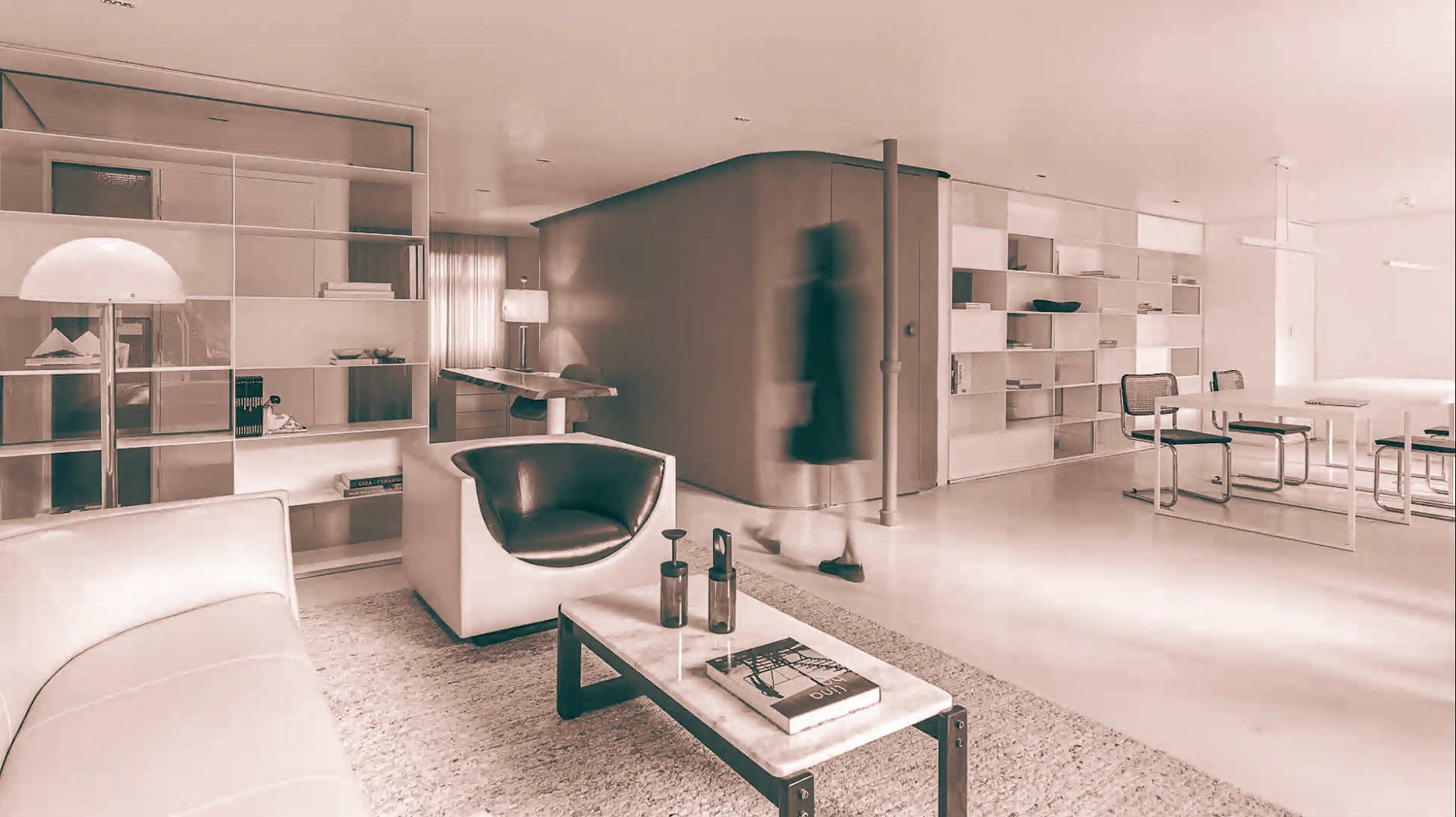
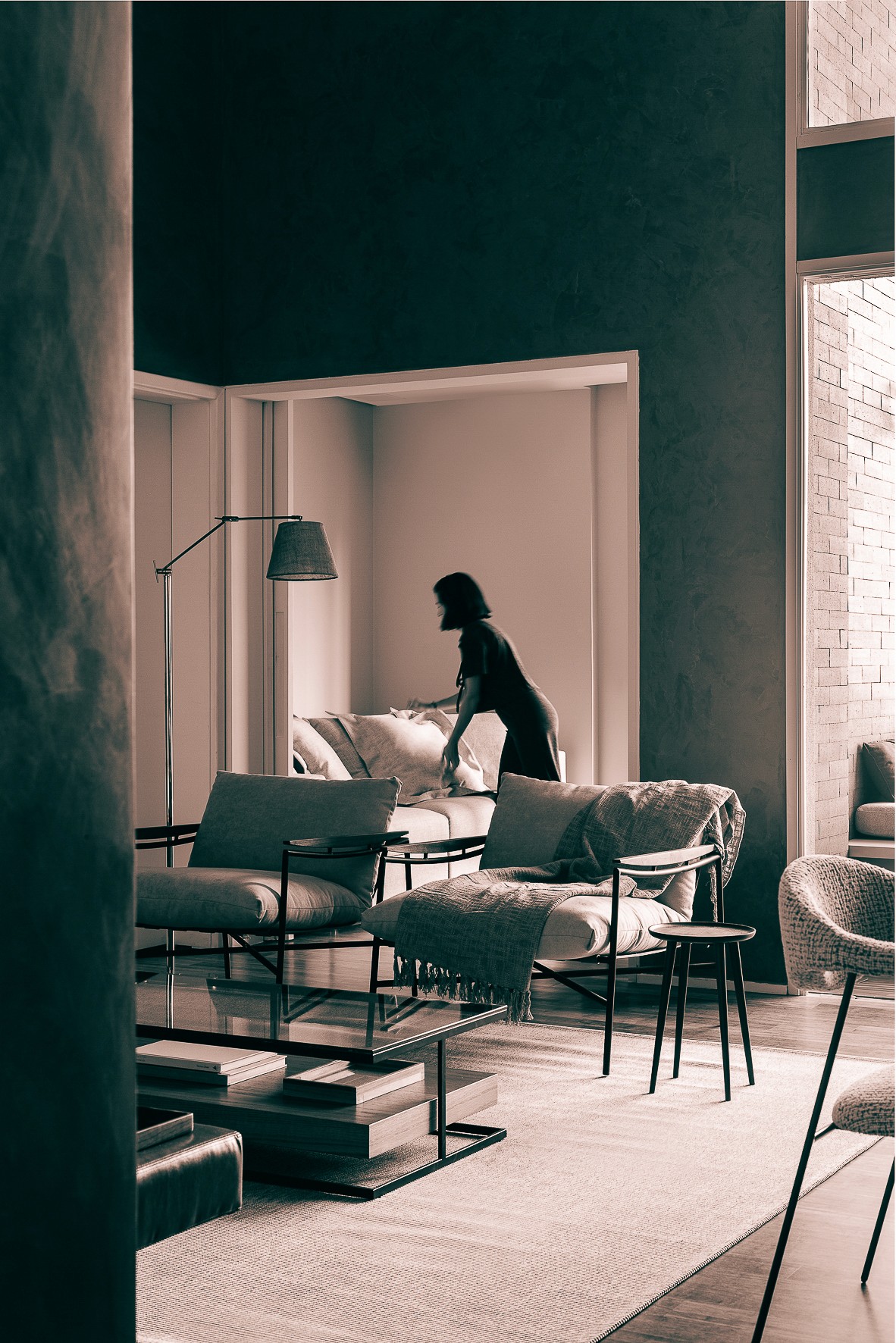
The Sagitarius Residence reveals an architecture that strengthens in the meeting of routine and presence. The project materialises in the interface between the precision of gestures - the wide circulation spaces, the light aligned with the surfaces, the joinery that structures the space naturally - and the routine of those who live there.

What remains when the form transforms

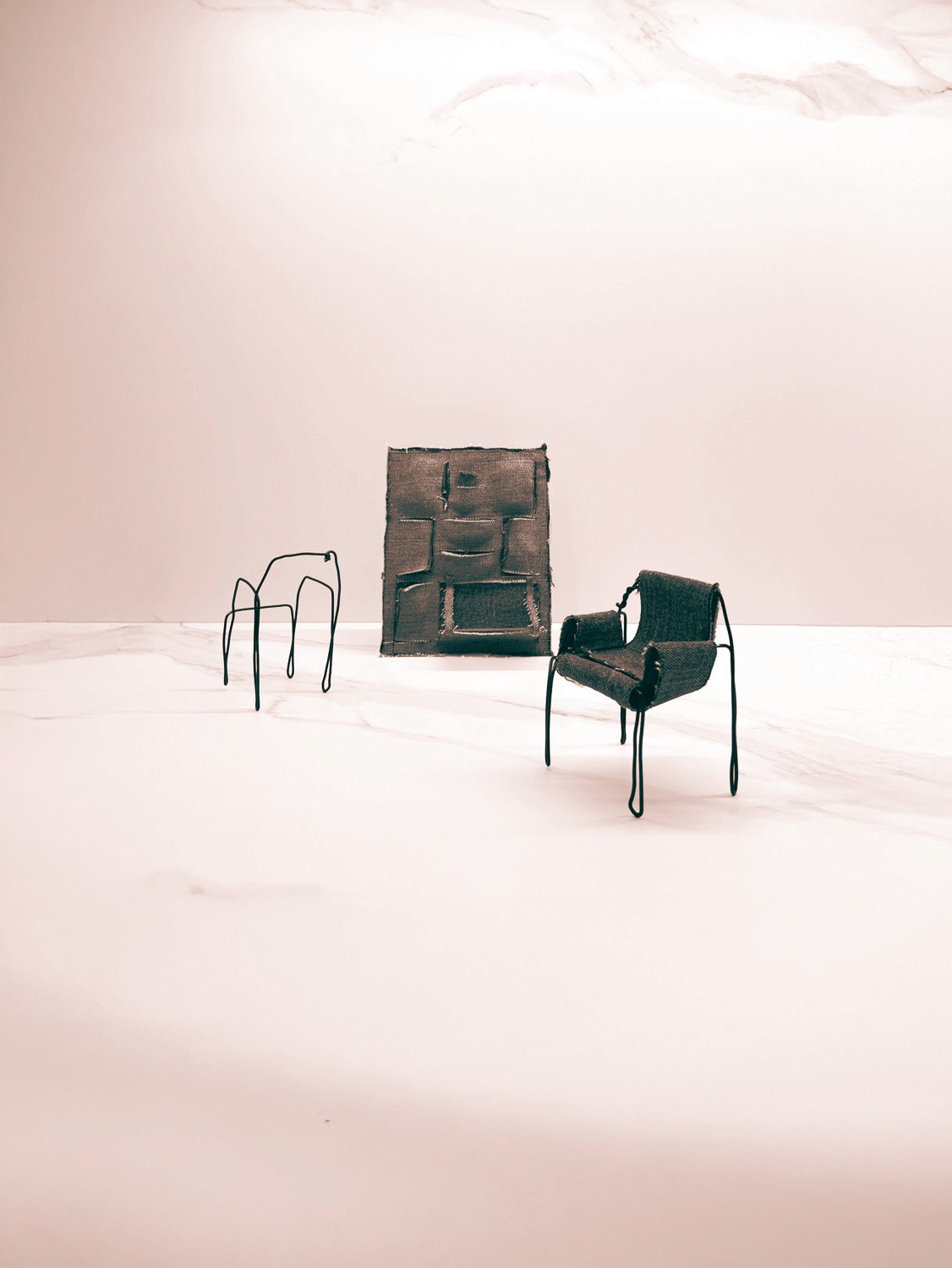
No error, furniture design does not arise from a need to fill space, but to understand it. To perceive weight, touch, temperature, and translate them into form. Each piece is born as an extension of architecture, as part of the same thought that traverses scales: from the body to the home, from the structure to the detail.

Body in motion,
work in progress

In this way, planning the space is not limited to proportions and timelines: it is about finding the space in transition - observing how matter organizes itself, how light passes through the void, and how detail announces the life to come. Just like following a construction, allowing oneself to experience new spatialities, whether in a design fair, in museums, or in exhibitions, becomes a way of thinking about architecture beyond the project.

Where the body
meets
space

Some objects establish a direct relationship with the body and, from that, begin to organise the surrounding space.

The armchair is one of them.
Places of permanence are one of those elements.

Before any formal reading, it is defined by fit, support and permanence.

the time
of the decisions

Every beginning of the year carries choices. Some are evident, others almost imperceptible, but it is from these that the work is sustained.

In the erriá, decisions accumulate in the design that precedes the work, in testing a fit, in the choice of a material, in the way an object touches the body or how a space responds to use. These are decisions that do not seek immediate effect, but slowly build meaning, in the time of doing.

SÃO PAULO

ola@erria.com.br

+55 11 9 6383 2494

MILAN

ciao@erria.com.br

+39 344 5377986

get inspired
with ERRIÁ,
monthly.

SÃO PAULO

ola@erria.com.br

+55 11 9 6383 2494

MILAN

ciao@erria.com.br

+39 344 5377986

get inspired
with ERRIÁ,
monthly.