The time of things
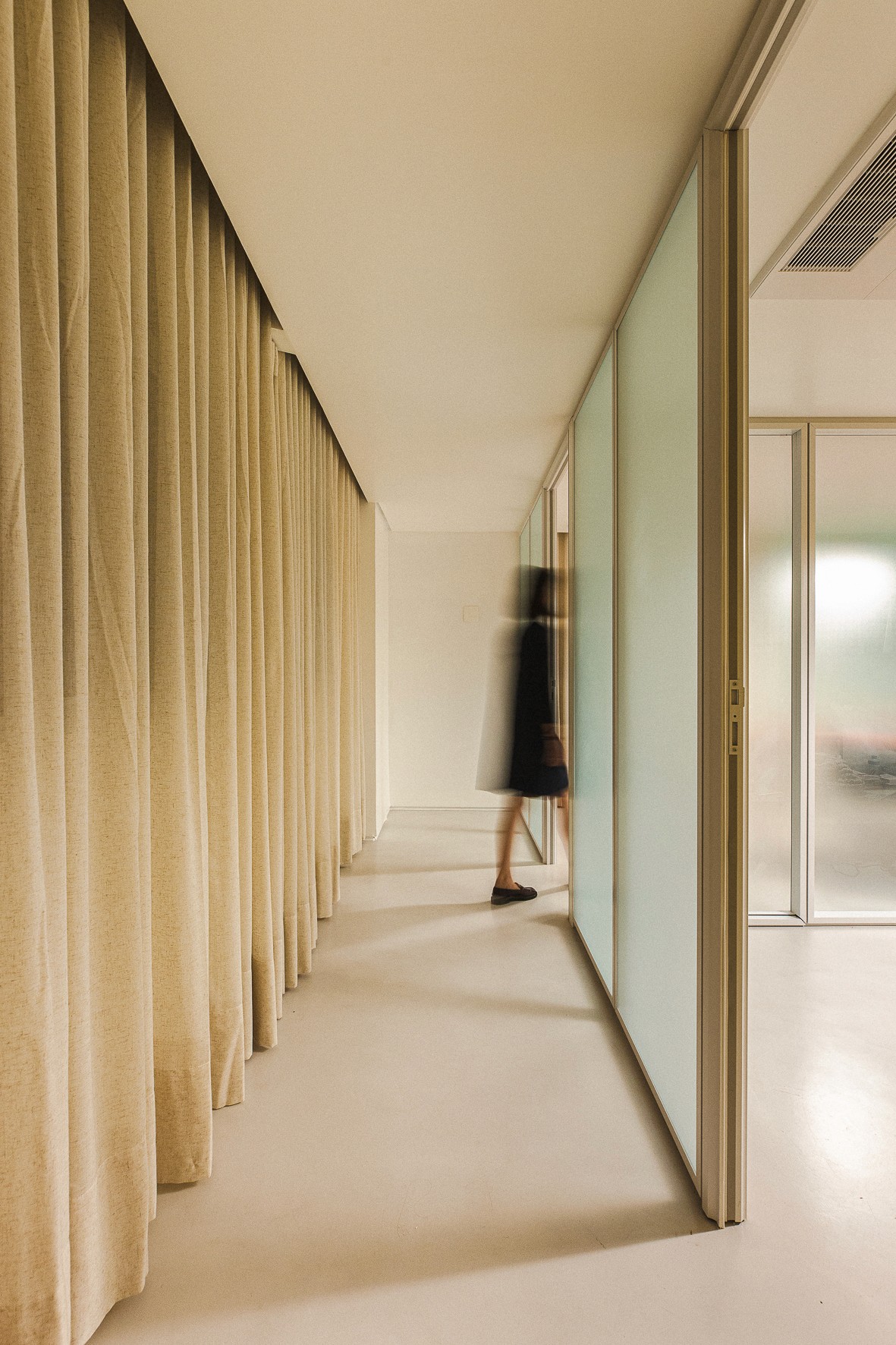
There are architectures that impose themselves immediately. Others take time. They do not announce themselves; they are built over the course.
It is this process that guided the erriá over the past year. What we did was make a way of thinking that was already present in the projects more explicit, organizing our recent production in a way that reveals a continuity that has always existed. It was not just about presenting completed projects, pieces, or spaces, but about giving language, in image and text, to the time of things: that of listening, of matter, of the body, of space. A journey that understands the project as something that is built in layers, and not in leaps.
When revisiting these contents in sequence, what emerges is not a specific cut, but a broader drawing of our way of working
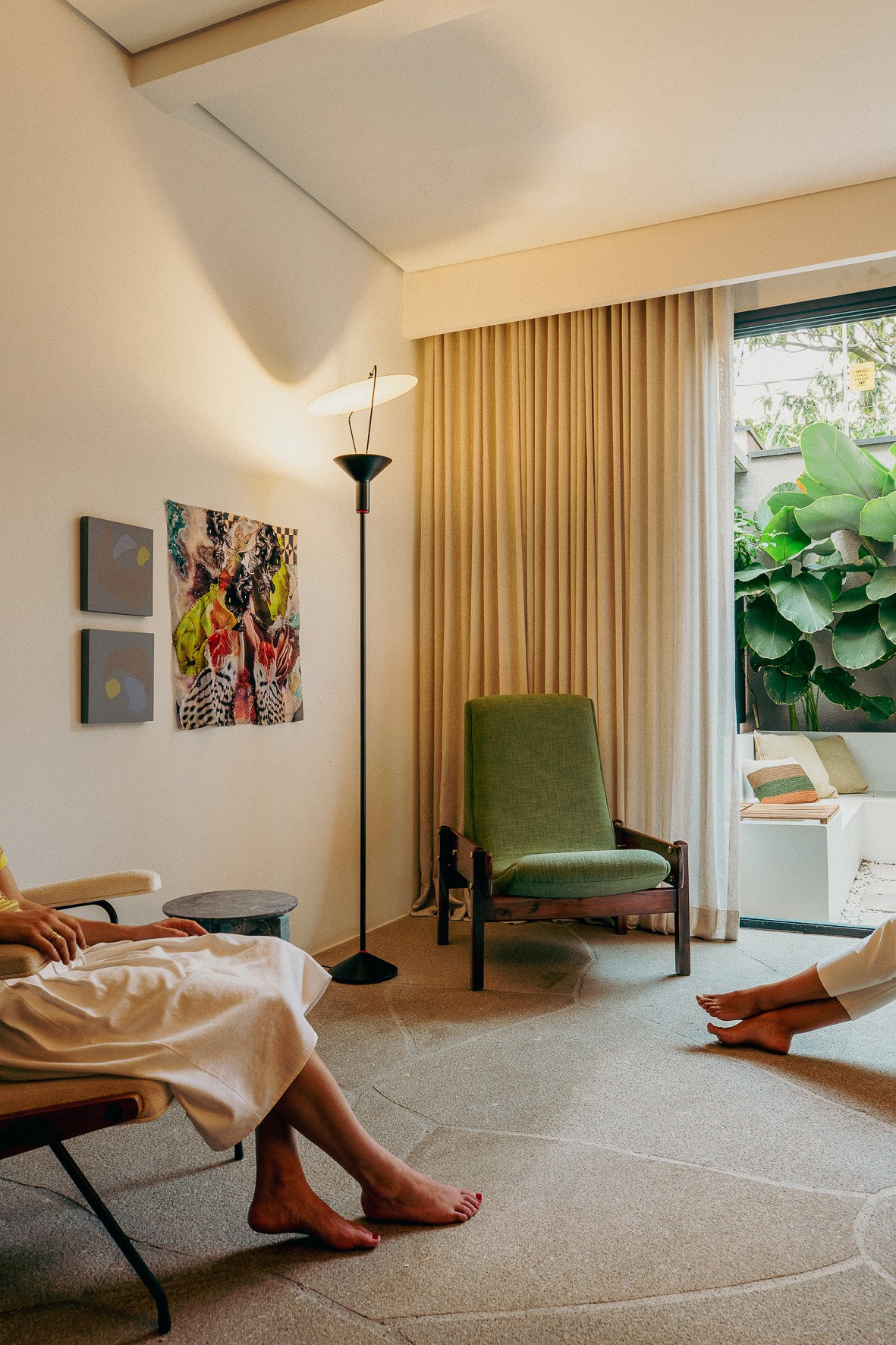
Thoughtful encounters
All architecture arises from an encounter. Before form, there is attention. Before the line, there is listening. This is our starting point: to recognise that the beginning of a project does not lie in the spatial solution, but in the ability to perceive what the routine and the space require as a response. Not as information gathering, but as the sensitive gesture of observing, visiting, relocating, and broadening repertoire. Creation, here, arises less as invention and more as translation.
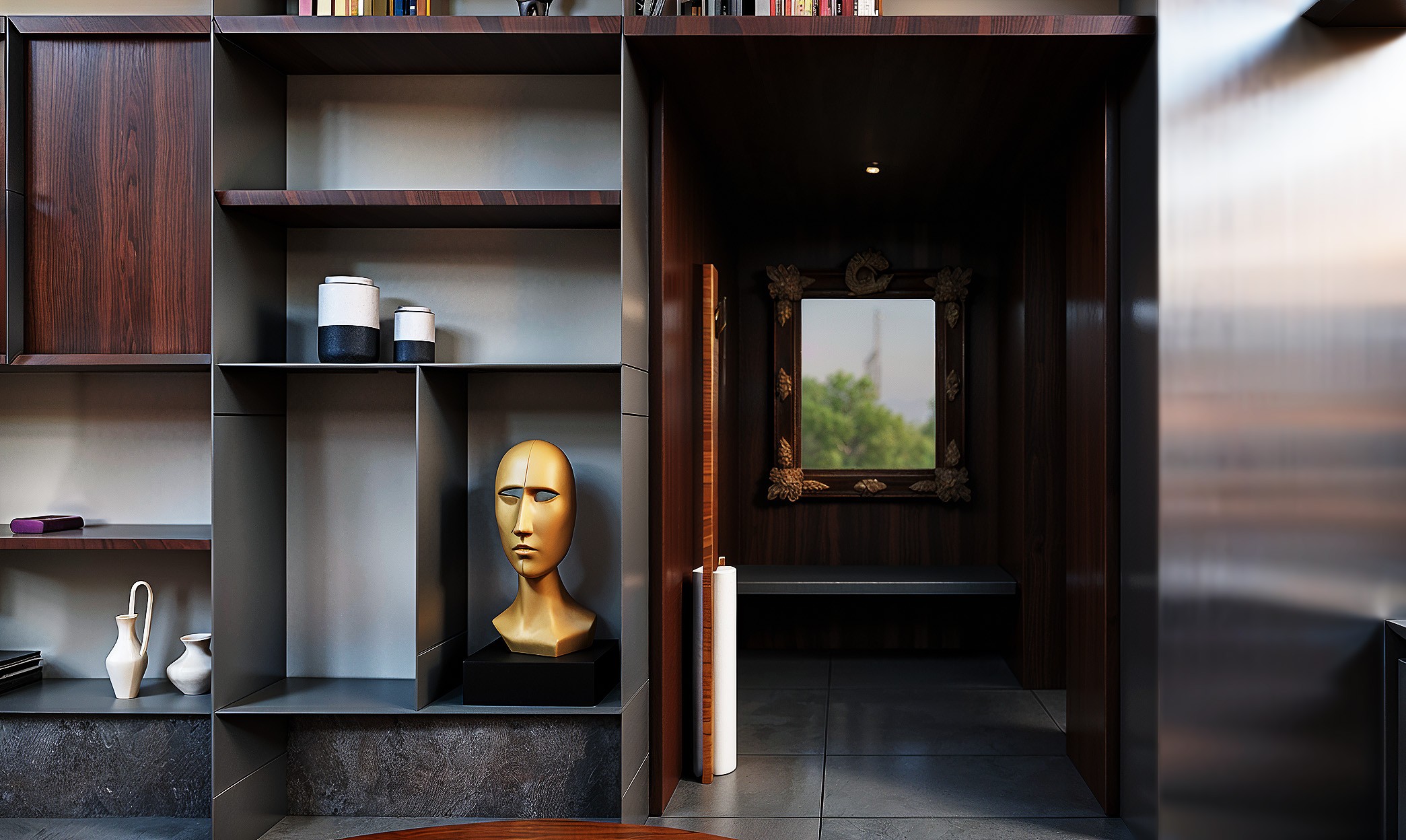
body and home
As this thought progresses, the body comes into play. The house ceases to be abstract and begins to be measured in gestures: sitting, leaning, crossing, pausing. The space becomes an extension of the body, and the furniture, a way to sustain daily rituals. There is no neutrality in this scale. Each decision carries an ethics of use, a silent intention about how one lives.
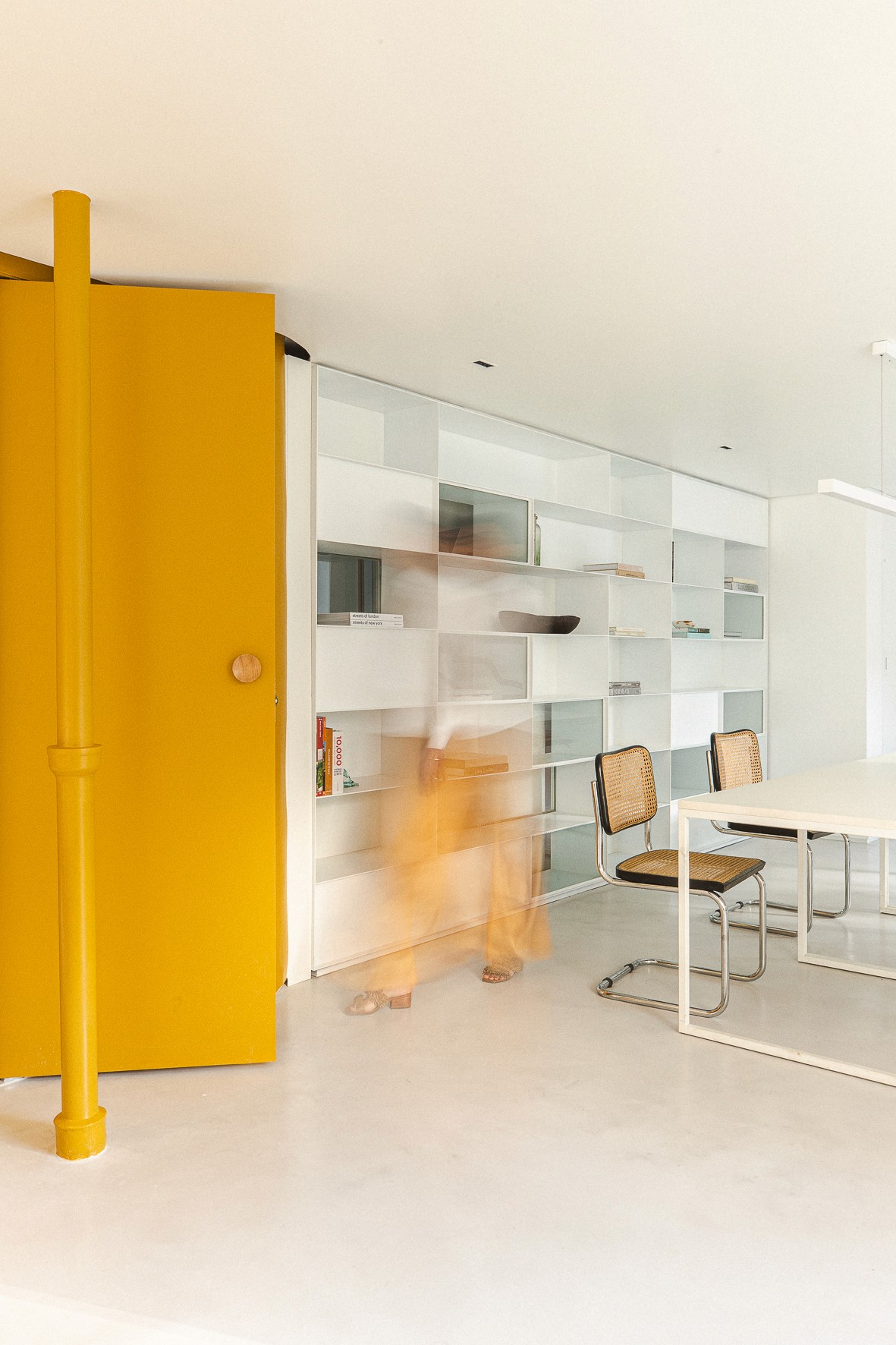
Matter and permanence
It is then that the material takes centre stage. Not as a finish, but as condensed time. Textures, fittings and surfaces reveal choices that do not seek immediate impact, but rather permanence in the details. Attention is drawn to what ages well, to what transforms without losing meaning. Architecture begins to engage in a dialogue with time, rather than resisting it.
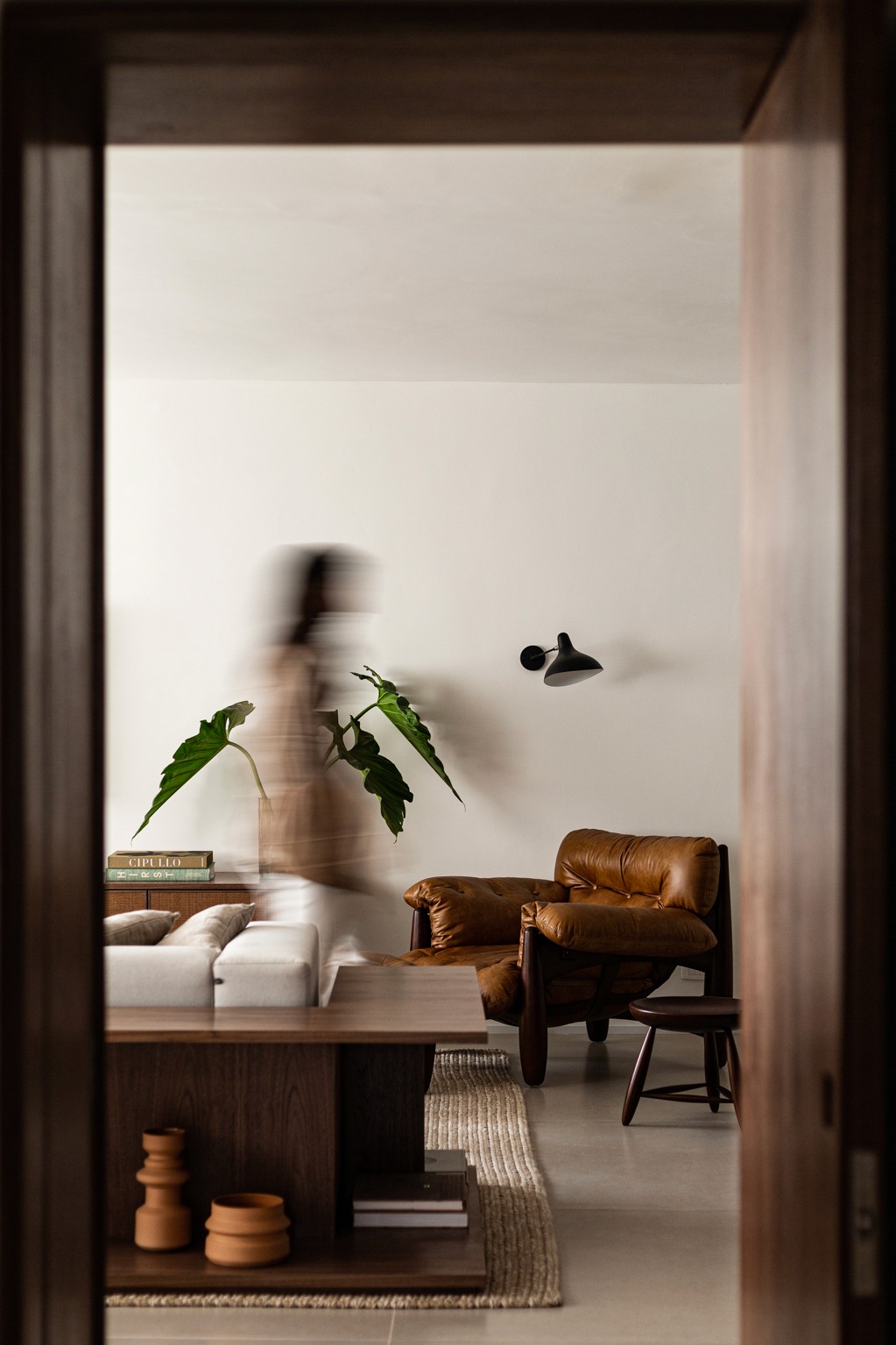
The inhabited house
Finally, the project reaches its most complete condition: dwelling as a natural continuation of reasoning. The house in use does not alter the project, it confirms it. Displaced objects, discreet marks, recurring flows, and all of this simply makes visible what has already been present since the beginning. Architecture ceases to be the protagonist and becomes the backdrop. And it is precisely there that it reveals its strength.
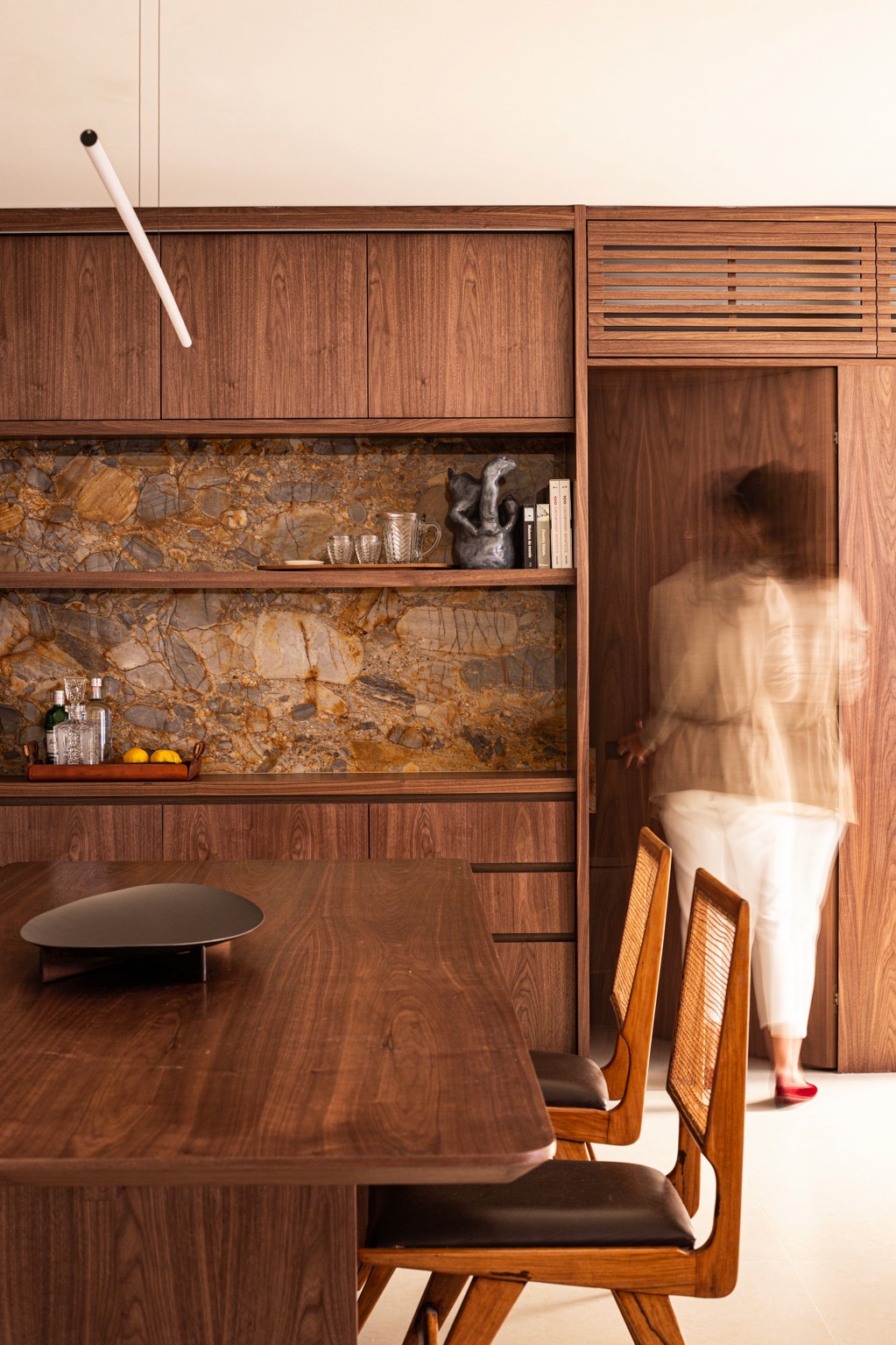
THE TIME OF THINGS
This way of organising thought, from encounter to dwelling, from idea to gesture, does not aim to conclude a cycle, but to highlight a way of seeing. A stance that traverses distinct projects, diverse scales, and varied materials, maintaining coherence without rigidity. A narrative that does not close in on itself, because it understands time as part of the project.
The coming year approaches as a natural unfolding of this journey. New chapters, new scales, new materials, but the same attention to what really matters, which is how spaces are built, slowly, in relation to those who inhabit them.
We continue observing.
We continue building in the time of things.
See you soon.