What remains when
the form transforms

In fact, the design of furniture does not arise from a need to fill space, but from understanding it. To perceive weight, touch, temperature, and translate them into form. Each piece is born as an extension of architecture, as part of a single thought that transcends scales: from the body to the house, from the structure to the detail.


The object is born from this same unease in understanding the material and transforming it into presence. The process is almost choreographic. There is the drawing, the cutting, the fitting, the pause. Here, the human gesture is made permanently visible, realizing the routine of those who live around it. These investigations, of the shape that bends to the texture that embraces, form the guiding thread that runs through all the studio's furniture production: design as thought in motion.

In fact, furniture design does not arise from a need to fill space, but from understanding it. It is about perceiving weight, touch, temperature, and translating them into form. Each piece is born as an extension of architecture, as part of a single thought that spans scales: from the body to the house, from the structure to the detail.


The object is born from the same restlessness to understand matter and transform it into presence. The process is almost choreographic. There is drawing, cutting, fitting, pausing. Here, the human gesture is made permanently visible, concretising the routine of those who live around it. These investigations, of the form that folds to the texture that embraces, form the guiding thread that runs through the entire furniture production of the studio: design as thought in motion.

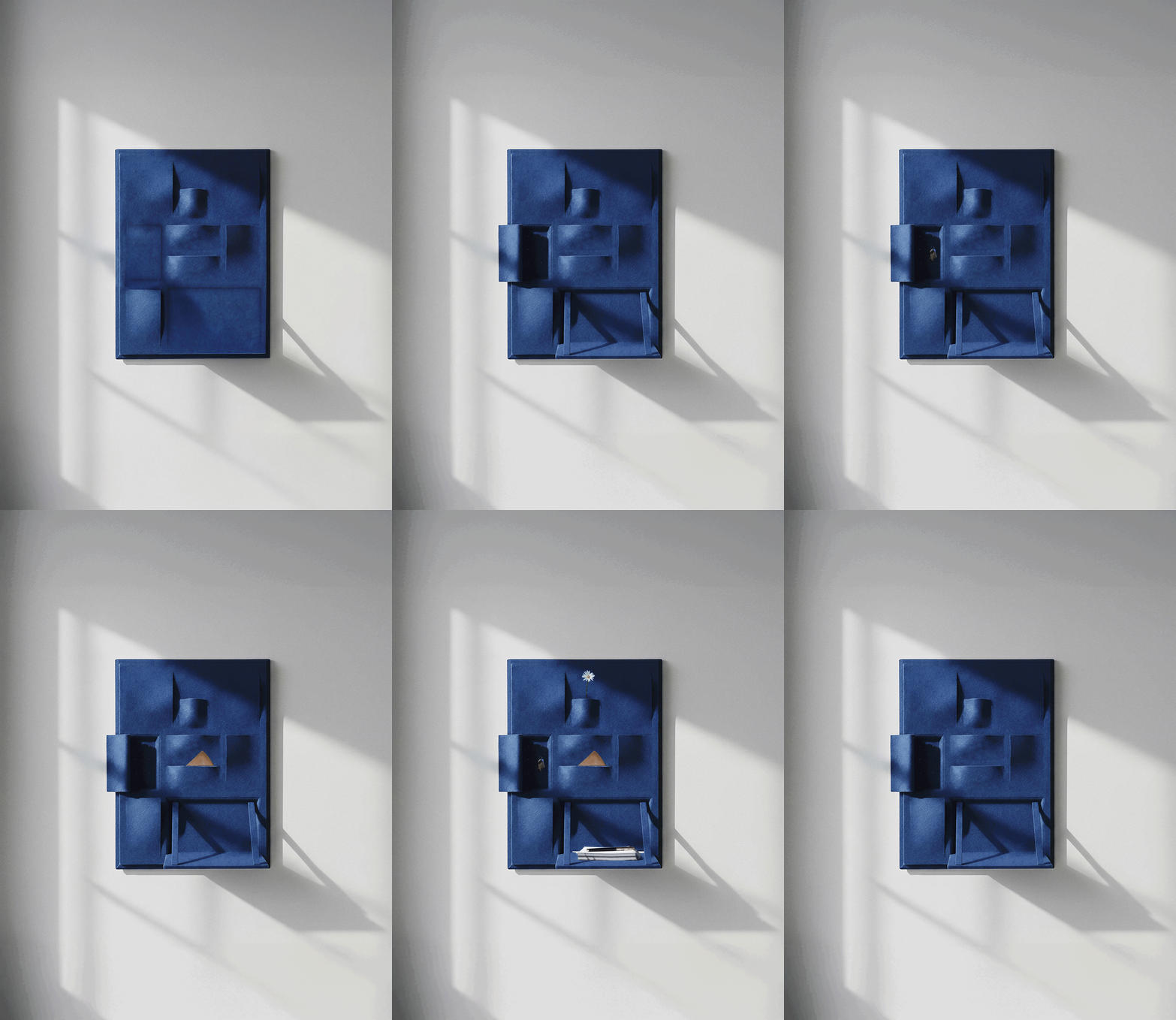
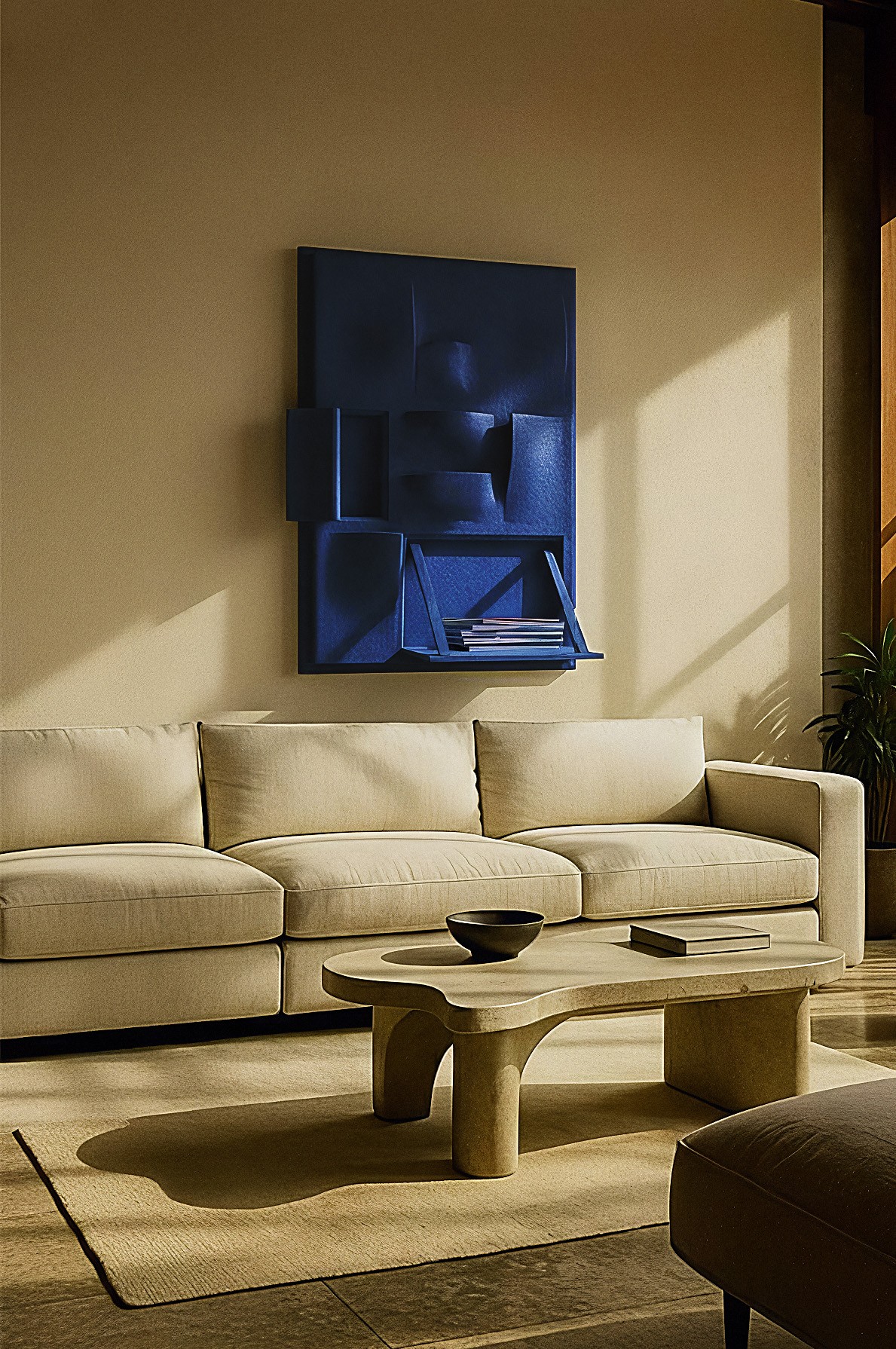
It is in this space between matter and gesture that the erriá finds its field of experimentation: creating objects that think about space and spaces that accommodate the object, like the Canguro, which unites support and presence in a single storage surface, intrinsically linked to the daily routine of those who inhabit the space. The furniture, here, exists to promote a silent coexistence between the useful and the sensitive, and serves not only the role of storage and support for everyday items but also acts as an acoustic reducer. Its padded shape with voluminous fabric promotes concentration even in transitional locations. 
The renovation of the Carraro Residence, in March, was taking its first steps, with clean walls and full of expectation. By October, the space had transformed: flooring laid, metalwork completed, marble countertops installed. The second half of the year marked the transition from the departure of the civil teams to the arrival of the carpentry and finishes, the moment when detail becomes tangible.

Each fitting in the materiality of the space reflects references that surpass the construction site: travel memories, everyday gestures, cultural repertoires that translate into texture and proportion.

The renovation of Residência Carraro, in March, took its first steps, with clean walls and full of expectations. By October, the space had transformed: flooring laid, metalwork completed, marble countertops installed. The second semester marked the transition from the departure of the civil teams to the arrival of the joinery and finishes, the moment when detail becomes tangible.

Each fitting in the materiality of the space reflects references that go beyond the construction site: travel memories, everyday gestures, cultural repertoires that translate into texture and proportion.

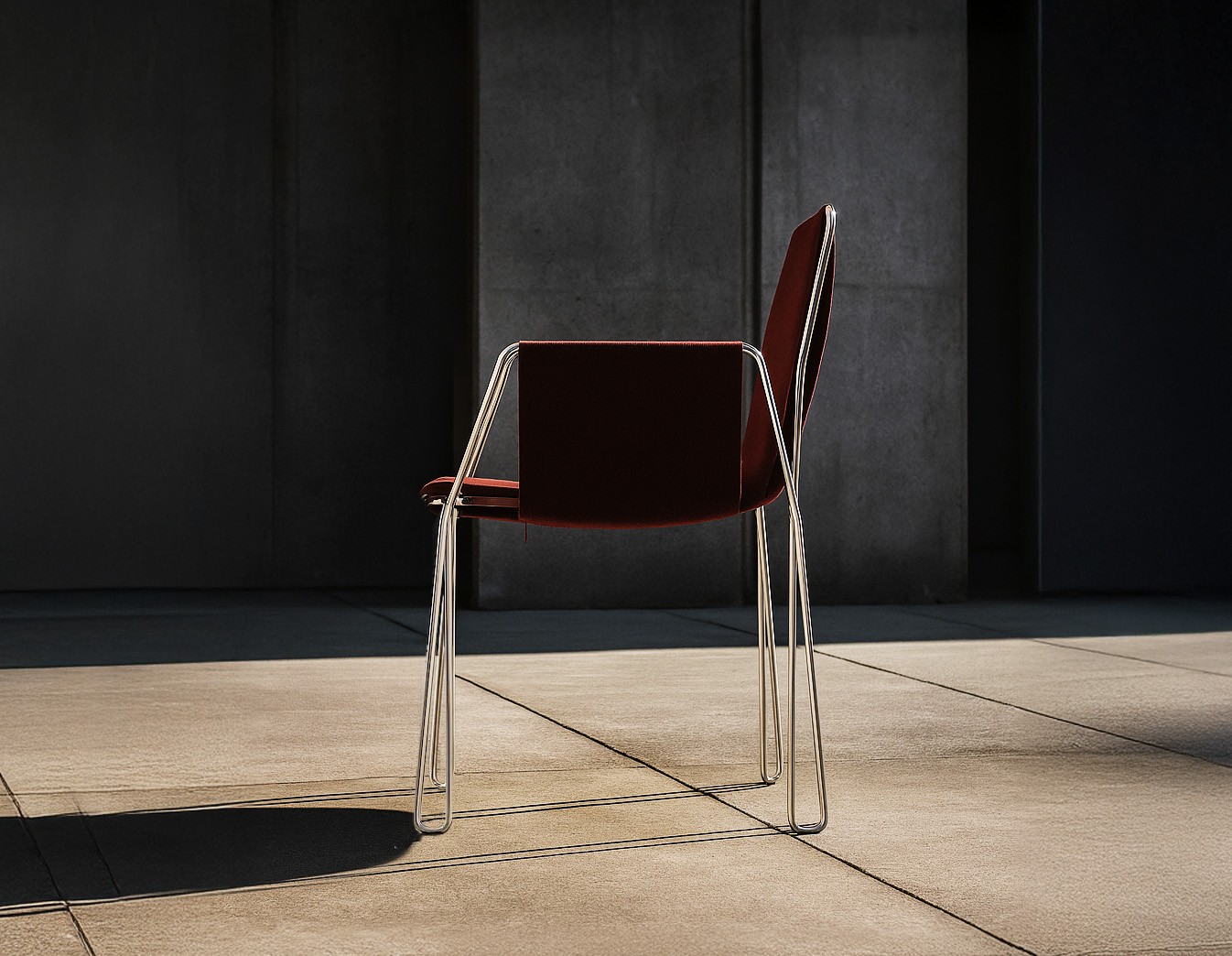
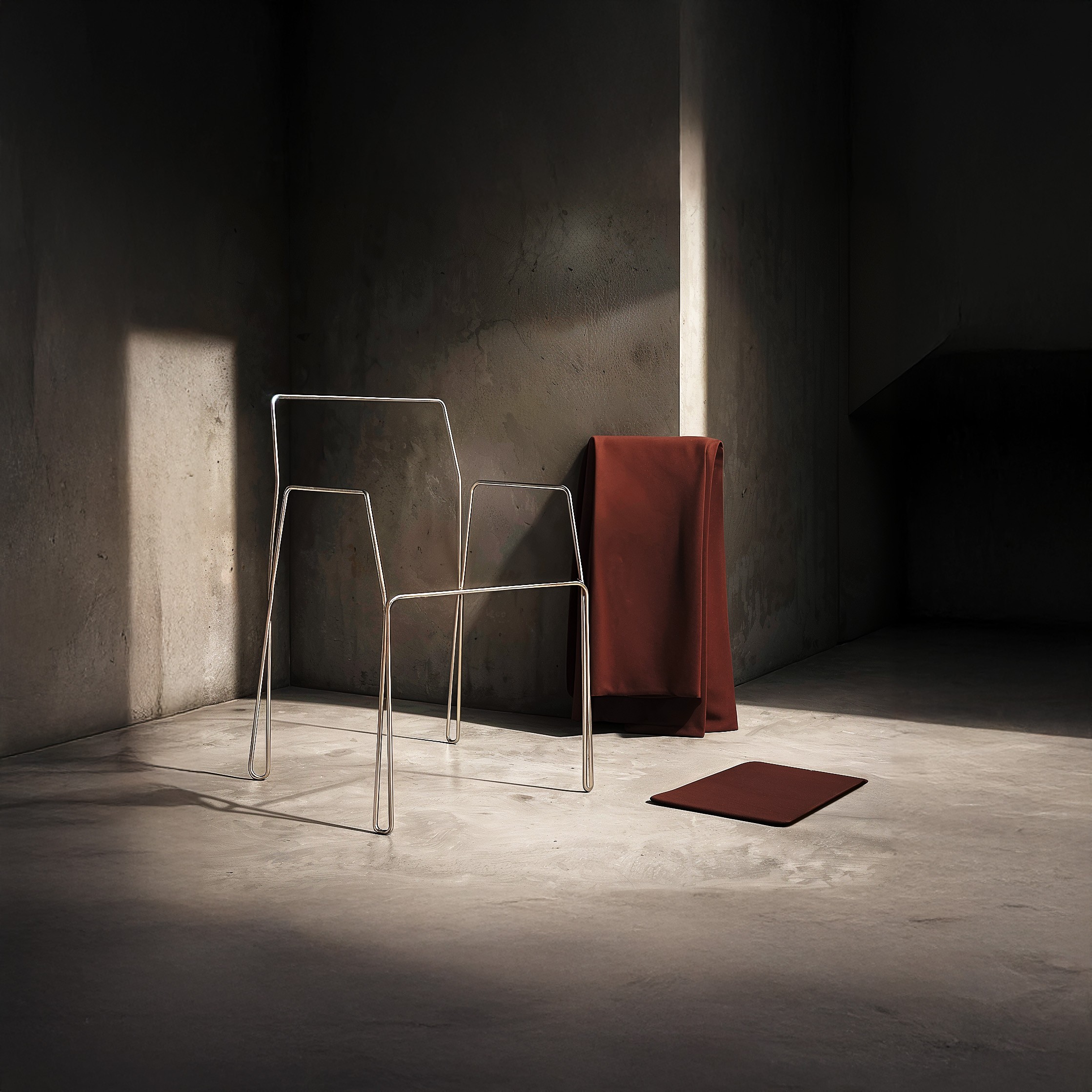
In contrast, the Rubrica Chair exists in the relationship between structure and fabric. One does not stand without the other. The structure, alone, does not shape a chair; the fabric, without support at the right angles, is merely a surface at rest. Together, they reveal a balance between the necessary and the sensitive.

The design invites the eye to imagine what lies hidden beneath the covering: a continuous frame that connects from end to end, yet remains concealed. There is a play of perception in which the chair appears whole, even when part of it remains invisible. There is a desire to imagine what is hidden behind, to complete the image with the gaze. 

The choice of fabric finish is not by chance: the chair was designed with a zipper closure to allow for cleaning and changing the covering as per the user's needs. The zipper, purposefully larger and protruding, stimulates the urge to disassemble the piece, even though the act of undoing it would deprive it of its function.

In contrast, the Rubrica Chair exists in the relationship between structure and fabric. One does not stand without the other. The structure, on its own, does not form a chair; the fabric, without support at the right angles, is merely a surface at rest. Together, they reveal a balance between the necessary and the sensitive.

The design invites the eye to imagine what lies hidden beneath the covering: a continuous frame that connects from end to end, yet remains concealed. There is a play of perception in which the chair appears whole, even when part of it remains invisible. There is a desire to imagine what is hidden behind, to complete the image with the gaze. 

The choice of fabric finish is not random: the chair was designed with a zip closure to allow for cleaning and changing the covering as the user needs. The zip, deliberately larger and protruding, awakens the urge to disassemble the piece, even though the act of taking it apart would deprive it of its function.

Finally, a cushion provides comfort and support, with a minimum density to keep the fabric taut and the precise shape. The covering of the cushion, slightly distinct from the body of the chair, introduces a subtle curve. The piece can be customised in different colours and finishes within a predefined palette, with combinations in similar shades, to enhance the transition between fabric, seat, and structure, without breaking the harmony of the whole.

Finally, a cushion ensures comfort and support, with a minimum density to keep the fabric stretched and the precise shape. The cushion cover, slightly different from the body of the chair, introduces a subtle curve. The piece can be customised in different colours and finishes within a predefined palette, with combinations in close shades, to enhance the transition between fabric, seat, and structure, without disrupting the harmony of the ensemble.

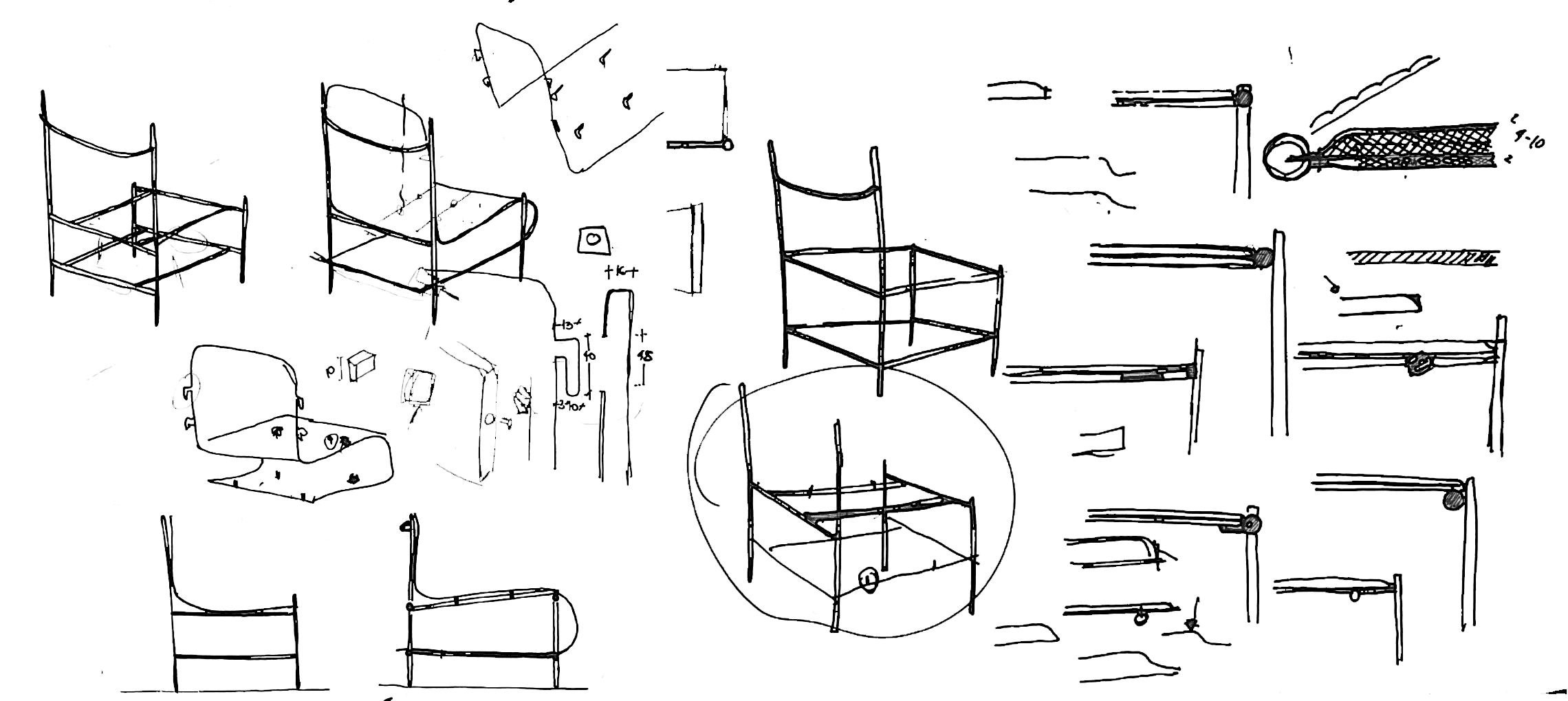
Throughout the year, we continue to expand our space exploration at the boundaries between furniture and architecture, between the object and the built space. From this investigation, arises the Aiciú Chair, which posed the challenge of designing a hybrid and transformable piece of furniture for small spaces.

The Aiciú is born from the observation of routines and the emotional perception of users in relation to space, with a keen eye on the small actions that reveal our needs for comfort, organisation, and belonging. The piece proposes a place that embraces, stores, and organises the belongings that accompany us in our daily lives, conceived from the observation of an almost unconscious gesture, the act of placing personal items down when sitting.

Its name arises from a play of geometries and meanings: Aiciú derives from the letters “I C U”, shapes that guided the design of the piece and that, in English, mean “I see you”.

Throughout the year, we have continued to expand our space exploration at the boundaries between furniture and architecture, between the object and the built space. From this investigation, the Aiciú Chair emerges, which posed the challenge of designing a hybrid and transformable piece of furniture for small spaces.

The Aiciú is born from the observation of users' routines and their emotional perception of space, an attentive look at the small actions that reveal our needs for comfort, organisation, and belonging. The piece proposes a place that welcomes, stores, and organises the belongings that accompany us in our daily lives, conceived from the observation of an almost unconscious gesture, the act of resting personal objects while sitting. 

Its name arises from a play of geometries and meanings: Aiciú derives from the letters “I C U”, shapes that guided the design of the piece and which, in English, mean “I see you”.

These three experiences (Rubrica, Canguro and Aiciú) make up the same line of thought: design as a way of thinking about a practice that investigates, observes, and transforms. This reasoning, which understands the object as the origin of space and matter as thought in construction, prepares the way for the next chapter.

This thought also materialises in the Leon Ades Showroom, a space conceived in partnership with the designer and carpenter of the same name, whose work unites ancient woodworking techniques with a contemporary design language. Known for creating original furniture that balances precision and fluidity, Leon shares with the erriá the same perspective on the time of making and the permanence of matter.

The space, recently inaugurated, was conceived from a demand for dynamism: to create a route that invites visitors to circulate, discover, and stay. The project is structured on a triangular grid across all its axes, allowing light and shadow, path and process, to reflect on the walls and create fluidity. The space reveals itself in layers. Its formations sketch the way, and the gaze is guided by volumes, not by barriers.
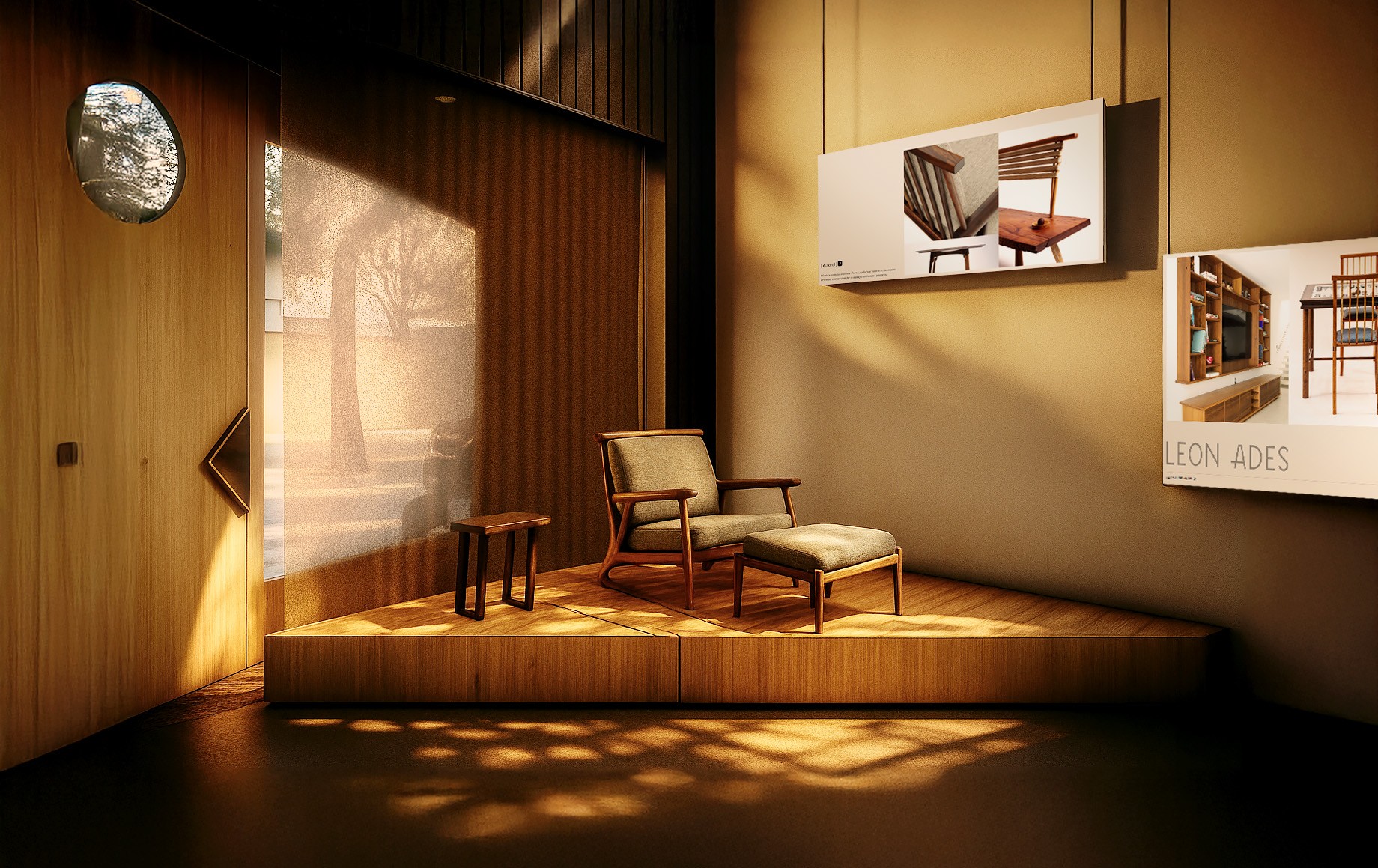
The plant is structured in modules that can be reorganised according to the business demands, in a system that transforms space into a living and productive organism. It is an architecture that considers the furniture as part of the flow and as an extension of the architecture.

One could say that this showroom is, after all, a rehearsal on movement: on how the space adapts, changes, and restarts. Just as in the studio pieces, each constructive choice reveals a thought of continuity between matter and time, between what is projected and what is inhabited.

Soon, new developments of this perspective on space and object.

November, 2025
Erriá Team

November, 2025
Erriá Team

SÃO PAULO

ola@erria.com.br

+55 11 9 6383 2494

MILAN

ciao@erria.com.br

+39 344 5377986

get inspired
with ERRIÁ,
monthly.

SÃO PAULO

ola@erria.com.br

+55 11 9 6383 2494

MILAN

ciao@erria.com.br

+39 344 5377986

get inspired
with ERRIÁ,
monthly.